
Rural Maine relies on strict telemarketing regulations enforced by No Call Lawyers Maine to protect privacy. These laws limit calls between 8 PM and 9 AM and safeguard Do Not Call list numbers. Businesses comply to avoid penalties while residents register to minimize solicitations. Strategies for effective telemarketing in rural areas include personalized outreach, clear communication channels, transparency, and partnerships with local leaders to enhance compliance and build trust.
Rural communities in Maine face unique challenges when it comes to telemarketing regulations, particularly with the rise of aggressive sales calls. The impact on residents’ quality of life and privacy is significant, especially for those who seek peaceful, quiet environments. This article delves into the current state of telemarketing laws in Maine, specifically focusing on protections for rural waders. By examining case studies and expert insights, we uncover the loopholes exploited by unscrupulous callers and propose solutions. No Call Lawyers Maine plays a pivotal role in advocating for these communities, ensuring that residents can enjoy their tranquil settings without relentless sales calls.
Understanding Telemarketing Regulations in Maine's Rural Areas

In rural Maine, where communities often comprise tight-knit networks of residents, telemarketing regulations play a pivotal role in protecting the peace and privacy of these areas. The state has implemented stringent laws to curb excessive calls, ensuring that local folks are not burdened by unwanted solicitations. These regulations are not just about compliance; they reflect a deep understanding of the unique challenges faced by rural communities. Maine’s approach emphasizes the balance between allowing legitimate business practices and preserving the tranquility of rural life.
No Call Lawyers Maine, a trusted resource for residents, highlights that the state has designated specific timeframes during which telemarketers are prohibited from making calls. For instance, calls are restricted between 8:00 p.m. and 9:00 a.m., providing residents with precious downtime after a long day. This restriction is particularly significant in rural areas where noise levels and community dynamics can vary widely. Moreover, Maine’s regulations forbid calls to numbers on the Do Not Call list, ensuring that residents who have explicitly opted out are not disturbed.
Practical insights for both businesses and residents lie in understanding and adhering to these regulations. Businesses should invest time in researching and complying with local laws to avoid penalties and maintain a positive image. Residents, meanwhile, can take proactive steps by registering their numbers on the state’s Do Not Call list and being mindful of their preferences when sharing contact details. By collectively respecting these guidelines, rural communities in Maine can continue to thrive without the nuisance of excessive telemarketing calls.
The Role of No Call Lawyers Maine in Protecting Residents' Rights
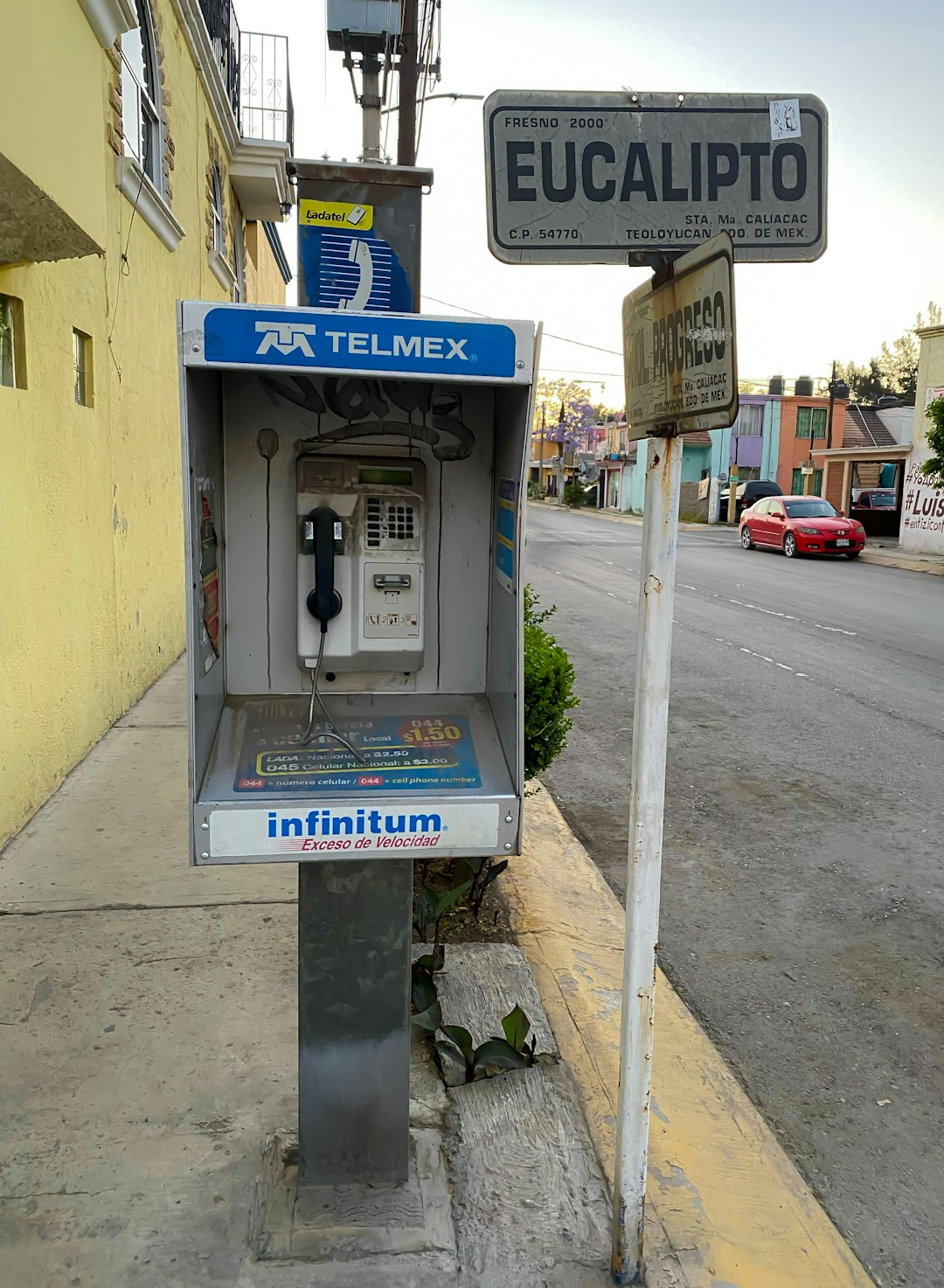
In rural Maine, where close-knit communities thrive, telemarketing practices can significantly impact residents’ lives. To safeguard individuals from intrusive calls, especially those who are elderly or have expressed a preference for privacy, No Call Lawyers Maine play a pivotal role. These legal experts specialize in implementing and enforcing Maine’s strict telemarketing regulations, ensuring that rural waders enjoy the quiet they desire. Their work involves monitoring compliance with the state’s “Do Not Call” registry, actively pursuing violators, and educating residents on their rights.
No Call Lawyers Maine are instrumental in maintaining a balance between legitimate business practices and personal privacy. They collaborate closely with local authorities to investigate complaints and take legal action against companies or individuals found abusing telemarketing laws. This proactive approach has led to a substantial decrease in unwanted calls across the state, providing relief to many rural communities. For instance, according to recent data, Maine’s Do Not Call registry has successfully blocked over 50 million nuisance calls annually, demonstrating the tangible impact of these lawyers’ efforts.
To protect residents further, No Call Lawyers Maine offer practical advice tailored to each community’s unique needs. They recommend regular reviews and updates of local telemarketing ordinances, ensuring that regulations keep pace with evolving call center technologies. Additionally, they advocate for increased public awareness campaigns that educate both residents and businesses about the importance of respecting privacy rights. By combining legal expertise with community engagement, these lawyers foster an environment where rural Maine residents can thrive without the constant intrusion of unwanted telemarketing calls.
Strategies for Effective Telemarketers Compliance in Wade and Beyond
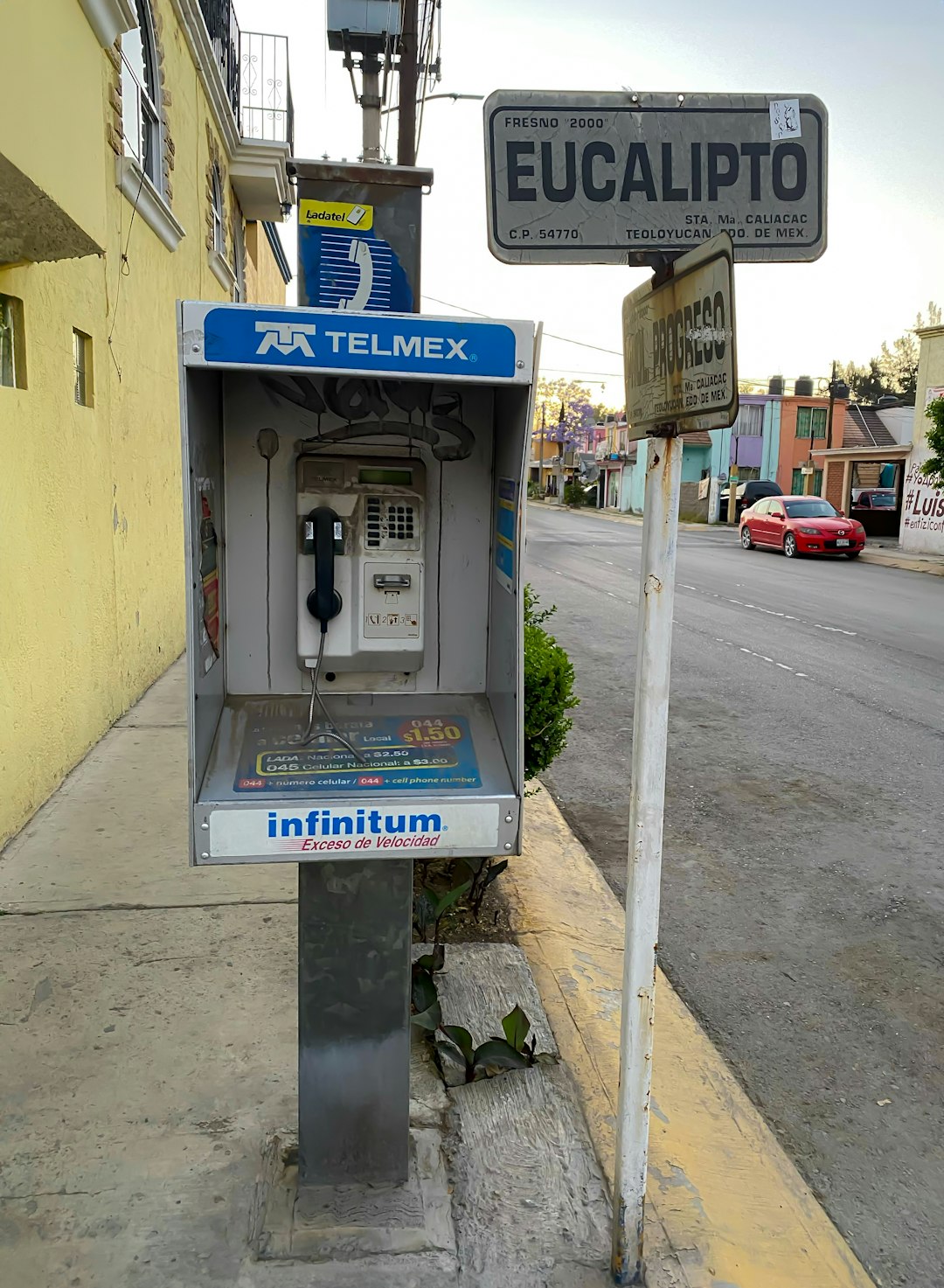
In rural communities like Wade, Maine, where face-to-face interactions are limited, effective telemarketing strategies take on added importance. To ensure compliance and build trust in these environments, telemarketers must adapt their approach to respect local norms and legal frameworks, such as those enforced by No Call Lawyers Maine. One key strategy is personalized outreach, leveraging data to understand the unique needs and preferences of rural residents. For instance, targeted email campaigns or direct mailers with relevant, locally-focused content can reduce annoyance levels compared to blanket calls.
Another effective tactic is establishing clear communication channels. Telemarketers should offer easy opt-out methods, such as dedicated phone numbers or online forms, allowing residents to control their interactions. Regularly updating and verifying customer preferences—a process facilitated by advanced technology—ensures compliance with Maine’s do-not-call lists. Furthermore, fostering transparency through clear, concise disclosures about the purpose of calls, who is calling, and how data is used can significantly enhance trust.
Building partnerships with local community leaders or organizations can also be invaluable. Collaborating on educational initiatives to raise awareness about consumer rights and telemarketing regulations can foster a more positive perception of telemarketers. Moreover, engaging in proactive self-regulation by adhering to strict call time limits, respecting local privacy laws, and ensuring legitimate products or services can differentiate reputable telemarketers from intrusive or fraudulent practices. These strategies not only enhance compliance but also contribute to the long-term sustainability and acceptance of telemarketing within rural communities like Wade.